Hemlock Removal in Philadelphia, PA
Hemlock removal services involve the careful elimination of hemlock trees that may pose risks to property or safety. This service is often requested for projects such as clearing overgrown areas, managing trees that are diseased or damaged, or removing trees that are too close to structures, power lines, or other valuable landscape features. Property owners typically seek information about the scope of the removal process, including how the trees will be safely taken down and what measures are taken to protect surrounding plants and property during the operation.
Before requesting hemlock removal, property owners usually want to understand the size and health of the trees, as well as the potential impact on their landscape or property value. It’s also common to inquire about disposal options for the removed trees and the overall process involved in safely and efficiently completing the removal. Clarifying these details helps ensure the project aligns with property goals and safety considerations.
Many property owners in Philadelphia, PA look into Hemlock Removal for repairs, replacements, upgrades, and appearance-related improvements.
Reasons For Hemlock Removal
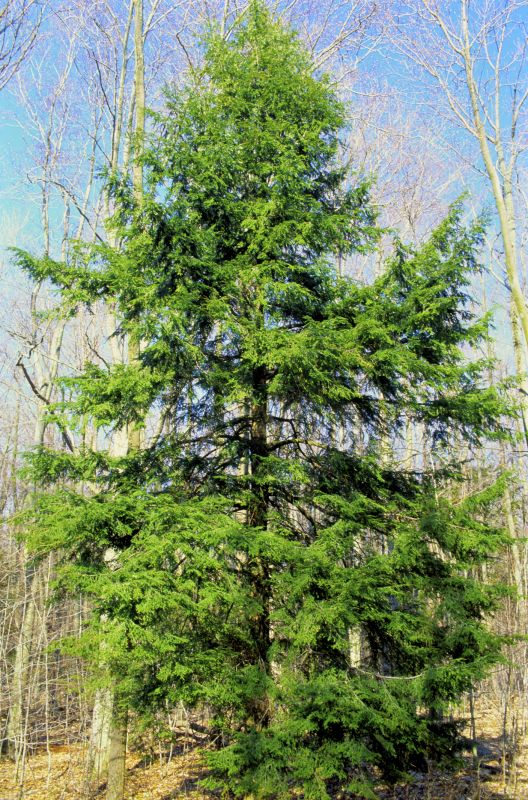
Removing damaged or diseased hemlocks can improve the safety and appearance of your property.
Hemlock Removal Process
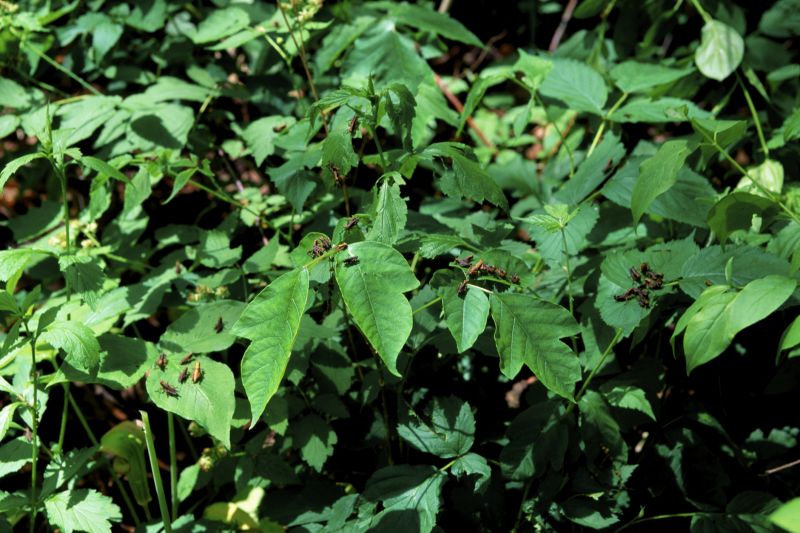
Professionals carefully evaluate and safely remove hemlocks to prevent damage to surrounding landscape.
Post-Removal Landscaping
Clearing hemlocks creates space for new plantings, lawn expansion, or other landscape improvements.
Hemlock Removal in Philadelphia, PA

Hemlock removal services involve the careful elimination of hemlock trees that may pose risks to property or safety. This service is often requested for projects such as clearing overgrown areas, managing trees that are diseased or damaged, or removing trees that are too close to structures, power lines, or other valuable landscape features. Property owners typically seek information about the scope of the removal process, including how the trees will be safely taken down and what measures are taken to protect surrounding plants and property during the operation.
Before requesting hemlock removal, property owners usually want to understand the size and health of the trees, as well as the potential impact on their landscape or property value. It’s also common to inquire about disposal options for the removed trees and the overall process involved in safely and efficiently completing the removal. Clarifying these details helps ensure the project aligns with property goals and safety considerations.
Many property owners in Philadelphia, PA look into Hemlock Removal for repairs, replacements, upgrades, and appearance-related improvements.
Common Hemlock Removal Jobs
Hemlock Removal - clearing invasive hemlock trees to protect surrounding landscape health.
Hemlock Thinning - reducing tree density to improve sunlight and airflow in wooded areas.
Hemlock Stump Grinding - removing tree stumps to prevent regrowth and improve yard safety.
Hemlock Pest & Disease Control - treating infected trees to halt the spread of pests and diseases.
Hemlock Disease Management - implementing strategies to preserve healthy hemlock populations.
Hemlock Preservation Services - selectively removing damaged or hazardous trees while maintaining landscape aesthetics.
Hemlock Removal Questions
Why should Hemlock trees be removed? Hemlock trees may be removed to prevent disease spread, reduce safety hazards, or improve landscape health.
What signs indicate a Hemlock tree needs removal? Signs include dieback, pest infestation, or structural instability affecting the tree’s safety and health.
Is Hemlock removal necessary for safety? Yes, removing a compromised Hemlock can eliminate risks from falling branches or tree failure.
What should property owners consider before removing a Hemlock? Consider the tree’s condition, location, and potential impact on the landscape before proceeding with removal.
Request Hemlock Removal in Philadelphia, PA
Use the quote form on this page to share the basics of your project and request more information for the type of work you need.